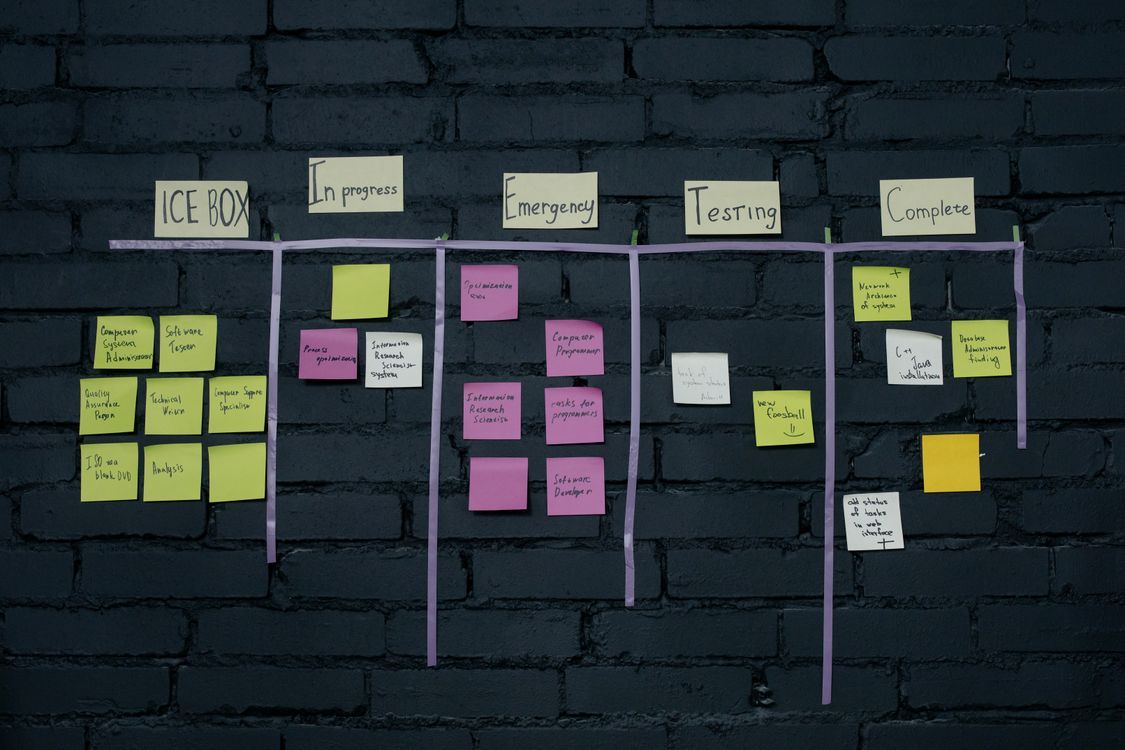
A project status report is usually written for completeness. A stakeholder presentation needs prioritization. It should quickly answer what changed, whether the project is on track, what is at risk, and what decisions or actions are needed.
Start with overall status
Open with the project objective, current phase, and a clear status summary. If the schedule, scope, budget, or quality has changed, make that visible immediately rather than burying it later in the deck.
Show progress against milestones
Use a timeline or milestone view to show what was completed, what is in progress, and what comes next. The slide should help stakeholders understand movement, not merely list activities.
Separate risks from routine updates
A useful risk slide identifies the issue, impact, owner, mitigation, and the point at which a decision is needed. Avoid filling the deck with low-impact items that do not require stakeholder attention.
Use AI to condense the written report
A report-to-presentation workflow can extract progress, risks, decisions, and actions into a first deck. Check dates, owners, commitments, and status indicators before sharing it.
End with decisions and next steps
The final slide should make ownership explicit. List the decisions required, actions agreed, owners, and dates so the presentation becomes part of the project-management process rather than just a recap.